Is Canton on your shortlist for a single-family rental? With strong recent population growth and steady renter demand, the numbers are worth a closer look. You want clear facts on rents, yields, taxes, and local rules so you can underwrite with confidence. In this guide, you’ll learn what drives demand in Canton, what property types perform, the costs that shape cash flow, and when local leasing and management help protect your returns. Let’s dive in.
Why Canton attracts renters
Population growth and regional momentum
Canton has been growing fast. The city reached an estimated 38,049 residents in July 2024, up about 15.5 percent since 2020, according to Census QuickFacts for Canton. At the regional level, the Atlanta metro added about 62,700 residents in the most recent year reported, signaling continued in‑migration that supports housing demand across the northern suburbs and exurbs. You can see that regionwide context in the ARC population update reported by Metro Atlanta CEO.
Commuting access and lifestyle
Canton sits along I‑575 with quick connections to I‑75 and job centers across North Metro Atlanta. The mean travel time to work is about 27 minutes, per Census QuickFacts for Canton. That commute profile, plus access to retail, medical care, and outdoor recreation, helps renters balance work and quality of life.
Schools and services
Family renters often prioritize school assignment and everyday convenience. Canton is served by the Cherokee County School District, and families can confirm boundaries for a specific address in the district’s resources. Review the district’s student and parent handbook for assignment guidance. Keep your language neutral and verify assignment rather than making assumptions about performance or ratings.
What you can buy in Canton
Dominant property type
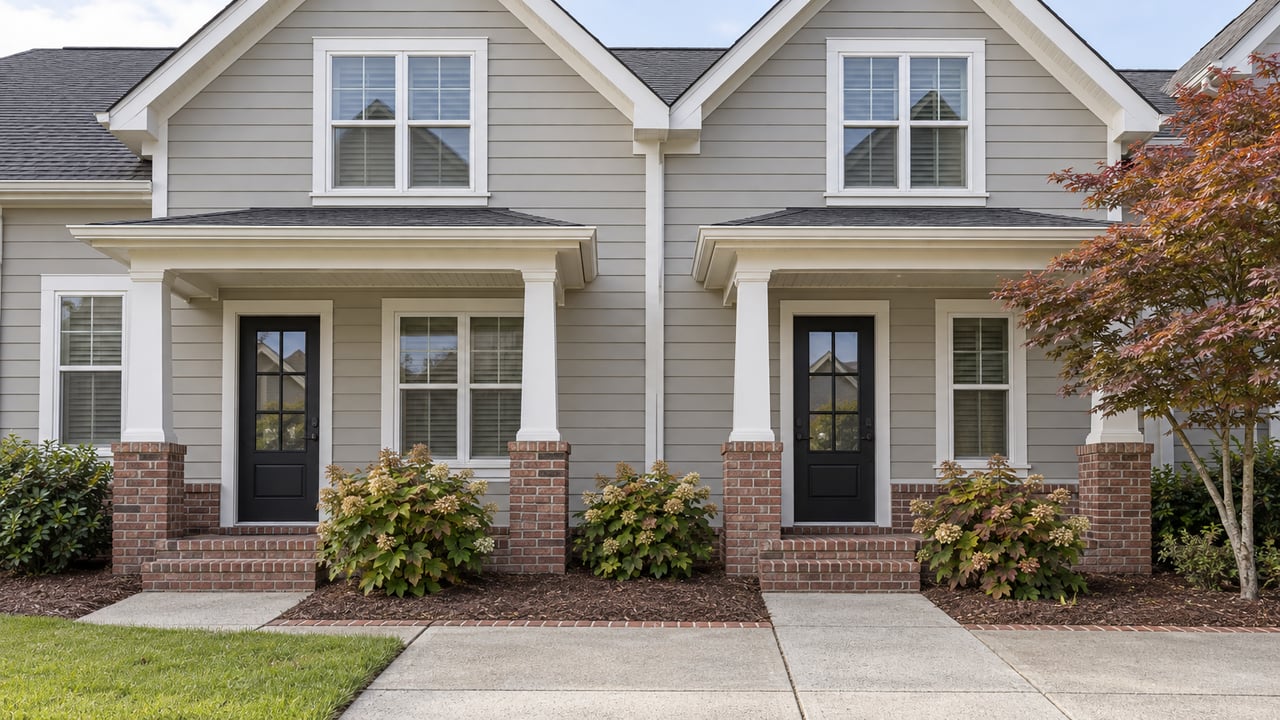
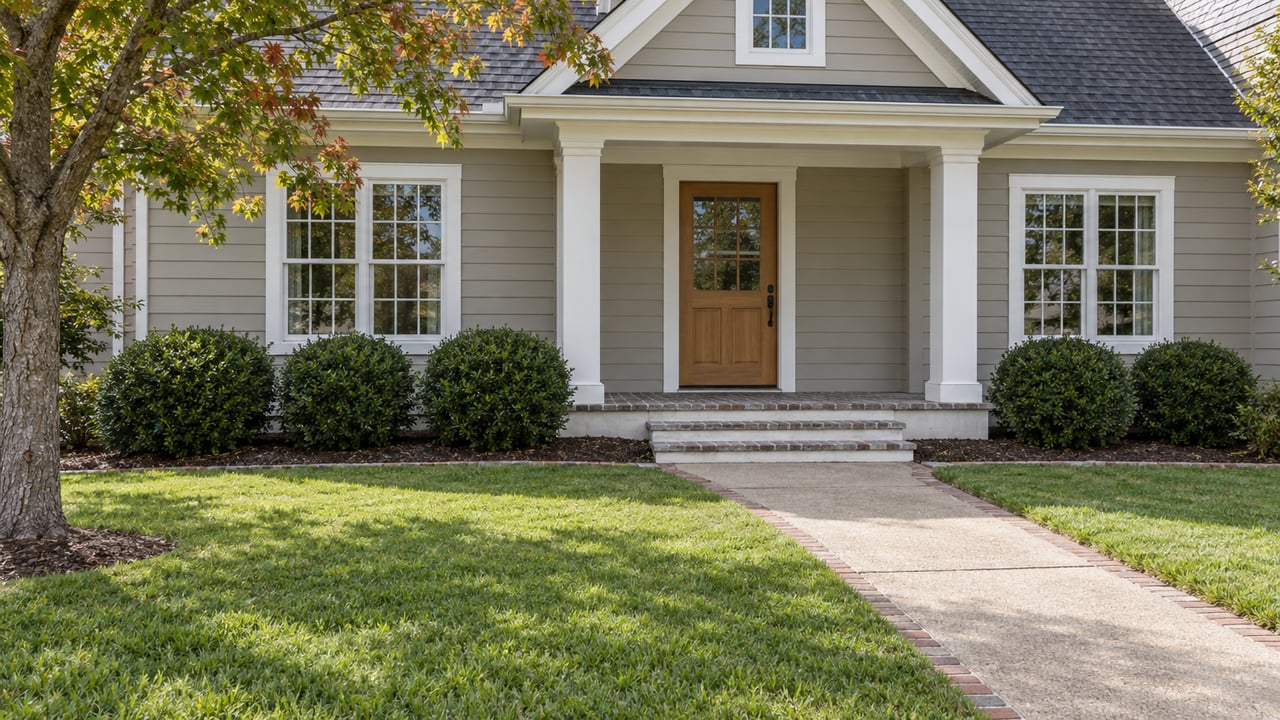
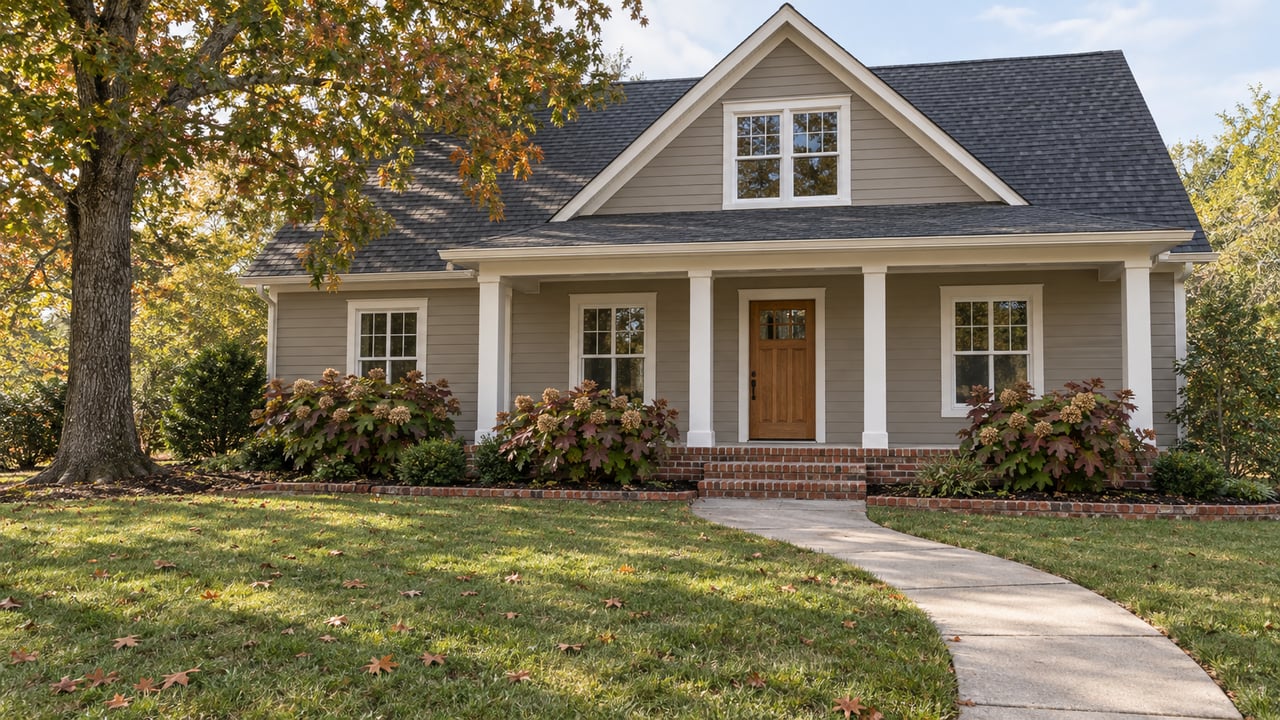
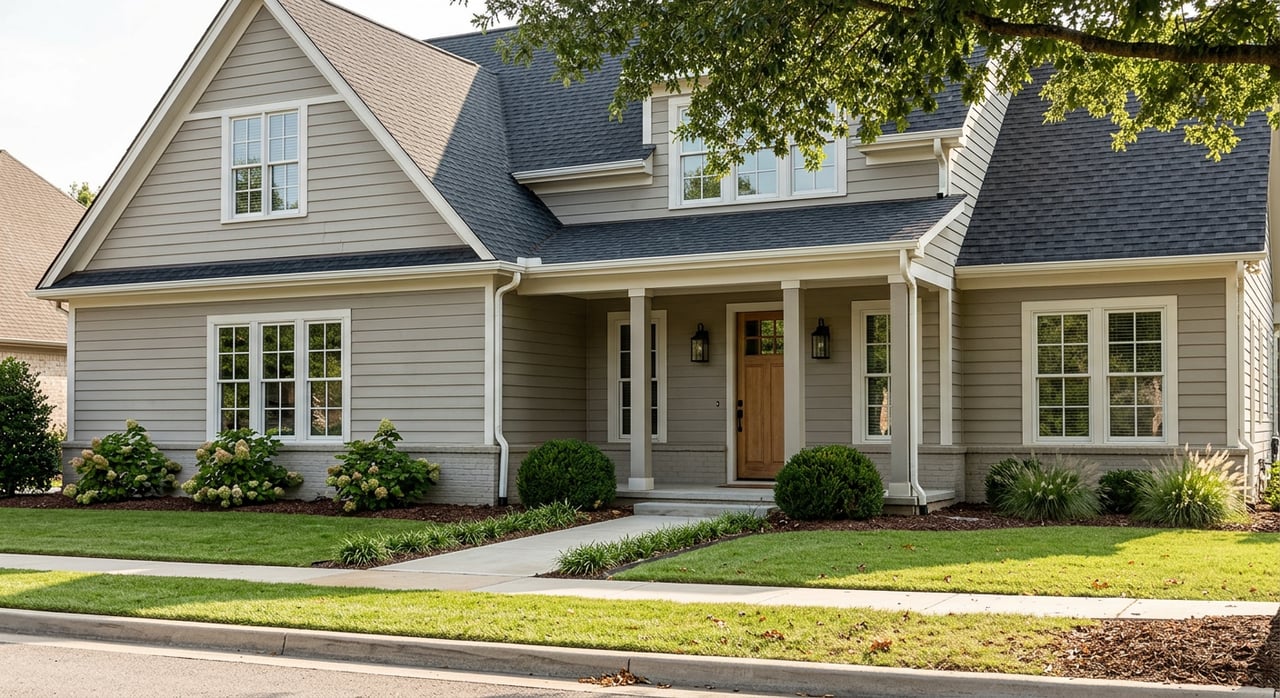
Single-family detached homes in subdivisions are the core rental product in Canton. You will see a wide mix of 3 to 4 bedroom homes across the 30114 and 30115 ZIP codes, with both established neighborhoods and newer master-planned communities. Townhomes exist in pockets, and small multifamily options are limited compared to larger metro areas.
Age and condition
Canton’s housing stock ranges from older homes near historic downtown to large waves of construction from the 1990s, 2000s, and the past decade. Newer homes often command higher purchase prices and higher rents, while older homes may require larger near-term capital budgets for systems like roof or HVAC. An independent inspection is essential to size your initial CapEx needs.
Supply and leasing pace
Inventory for single-family rentals is modest but steady, and well-priced, well-maintained homes tend to lease quickly. Performance is neighborhood specific. Your underwriting should be grounded in street-level comps and the immediate subdivision’s leasing history.
Rents, prices, and simple yields
- Median gross rent in Canton sits around 1,680 dollars per month per Census QuickFacts for Canton. Across sources, typical apartment and house rents often range between 1,600 and 1,800 dollars, depending on size and location.
- For single-family homes with 3 to 4 bedrooms, recent market activity commonly shows asking rents around 2,000 to 2,900 dollars for newer and larger homes. Always validate with current on-market and recently leased comps in the same subdivision.
- Purchase prices vary by neighborhood and home age. National AVM ranges often cluster from the low 400s to the low 500s in Canton. Use recent MLS comps to set your offer price for an exact address.
A quick way to frame gross yield is to divide annual rent by price. Using the Census median owner value in Canton and the Census median gross rent produces a rough gross yield near 4.9 percent before expenses. You can pull both figures from Census QuickFacts for Canton. Keep in mind that your net yield will be materially lower after taxes, insurance, maintenance, management, vacancy, and capital reserves.
Cost items to budget
Set conservative assumptions and verify each line item against the specific property you are underwriting.
- Property taxes and millage. Property taxes in Canton blend several levies. The City of Canton’s FY2025 adopted city millage is 5.4 mills, shown in the City of Canton FY2025 budget. Cherokee County budget materials present county, school, and fire components that roll into the overall levy. See the Cherokee County 2025 adopted budget presentation for context. Always calculate taxes from the parcel’s current assessed value and actual millage from the county digest.
- Insurance. Landlord policies vary by property age, materials, and location. Get quotes from local carriers and ask about wind, hail, and flood exposures if relevant.
- Property management. Ongoing management for single-family homes often runs about 8 to 12 percent of collected rent, plus a tenant-placement fee. Review typical line items described in this overview of property manager costs, then compare several local quotes and request sample owner statements.
- Maintenance and CapEx reserves. Many investors reserve about 1 percent of property value per year for routine maintenance and keep a separate budget for capital items like roof, HVAC, and major appliances. Your inspection should drive near-term CapEx planning.
- Vacancy and turnover. Budget for seasonality and unit turn costs. A conservative rule of thumb is 0.5 to 2 months of gross rent per year, depending on condition, price point, and leasing strategy.
- HOA and municipal fees. Many subdivisions have HOAs with monthly or annual dues. Review covenants, conditions, and restrictions for any rental rules, fees, or approval steps.
Key legal rules for investors
- Security deposits. Georgia law requires landlords to return security deposits or provide an itemized statement of deductions within one month after lease termination or surrender and acceptance of the premises. Review O.C.G.A. § 44‑7‑34 as summarized on Justia’s Georgia code page.
- Eviction timelines. Dispossessory actions run through the county magistrate courts. In many Georgia magistrate courts, a tenant generally has seven calendar days to file an answer after service, and a typical uncontested timeline runs several weeks from filing to writ. Always use county forms and consult counsel for contested matters. For Cherokee County, see the Magistrate Court forms page.
- Rent control and local rules. Georgia does not have rent control. Municipalities can have local licensing, registration, or inspection rules, so review Canton’s current requirements before leasing.
When local leasing and management help
If you live out of the area or prefer a hands-off approach, local support can improve net results even after fees. Here is why:
- Tighter rent comps. In-neighborhood pricing and marketing improve days on market and reduce vacancy.
- Vendor network. Established relationships with local trades can lower repair costs and speed turnarounds.
- Court and compliance familiarity. Local teams know magistrate court procedures and any registration steps.
- In-market showings. Faster response to inquiries and on-site availability help convert quality tenants.
Whether you self-manage or hire, set clear screening criteria, document property condition at move-in and move-out, and keep reserves for both maintenance and CapEx.
Step-by-step underwriting checklist
Use this quick list to organize your pre-offer due diligence:
- Pull three to five recent leased comps within 1 to 1.5 miles that match bed/bath count, condition, and school assignment.
- Review three to five recent sold comps in the same subdivision and confirm days on market trends.
- Get parcel-specific tax data from the Cherokee County Tax Assessor or Tax Commissioner and confirm current millage. For context on county millage presentation, review the Cherokee County adopted budget presentation.
- Read the HOA covenants, conditions, and restrictions and look for any rental clauses or approval steps.
- Order a third-party inspection to size near-term CapEx for roof, HVAC, plumbing, and electrical systems.
- Request two to three local property management quotes with itemized fee schedules, plus sample owner statements.
- Confirm school assignment and commute factors for your likely tenant profile using the district’s handbook and resources.
Putting it all together
Canton’s story for investors is straightforward. Strong regional growth supports demand, commutes are practical for many households, and the dominant rental product is single-family homes in well-located subdivisions. Median rents and a simple gross-yield example suggest mid single-digit returns before expenses, so the deal often comes down to buying right, budgeting taxes and expenses accurately, and running a tight leasing and maintenance process.
If you want data-driven guidance on neighborhoods, comps, and the offer strategy that fits your goals, connect with Bondy Prestigious Properties. Our team brings a consultative, high-touch approach backed by national marketing reach, so you can invest in North Georgia with clarity and confidence.
FAQs
Are rental homes in Canton in demand right now?
- Yes. Canton’s population grew about 15.5 percent since 2020 per Census QuickFacts for Canton, and the Atlanta region added roughly 62,700 residents in the latest year reported by the ARC update, which supports rental demand.
What rents should I underwrite for a 3–4 bedroom SFR in Canton?
- Many 3–4 bedroom homes list around 2,000 to 2,900 dollars depending on age, size, and location; the broader citywide median gross rent is about 1,680 dollars per Census QuickFacts for Canton.
How do property taxes work on a Canton rental?
- Taxes blend city, county, school, and other levies; Canton’s city millage is 5.4 mills per the City of Canton FY2025 budget, and county materials present overall levy components in the Cherokee County adopted budget presentation.
What is a realistic gross yield in Canton?
- A rough example using the city’s median rent and median owner value indicates about a 4.9 percent gross yield before expenses, based on figures in Census QuickFacts for Canton.
How long do evictions take in Cherokee County, GA?
- Procedures vary by case, but after service a tenant generally has seven calendar days to answer in many Georgia magistrate courts, and uncontested cases often resolve in several weeks; see the Cherokee County Magistrate Court forms for process details.
Do I need a local property manager if I live out of state?
- Many out-of-area investors hire local managers for leasing, maintenance coordination, and court familiarity; ongoing fees often run about 8 to 12 percent of rent plus a leasing fee, per this overview of property manager costs.