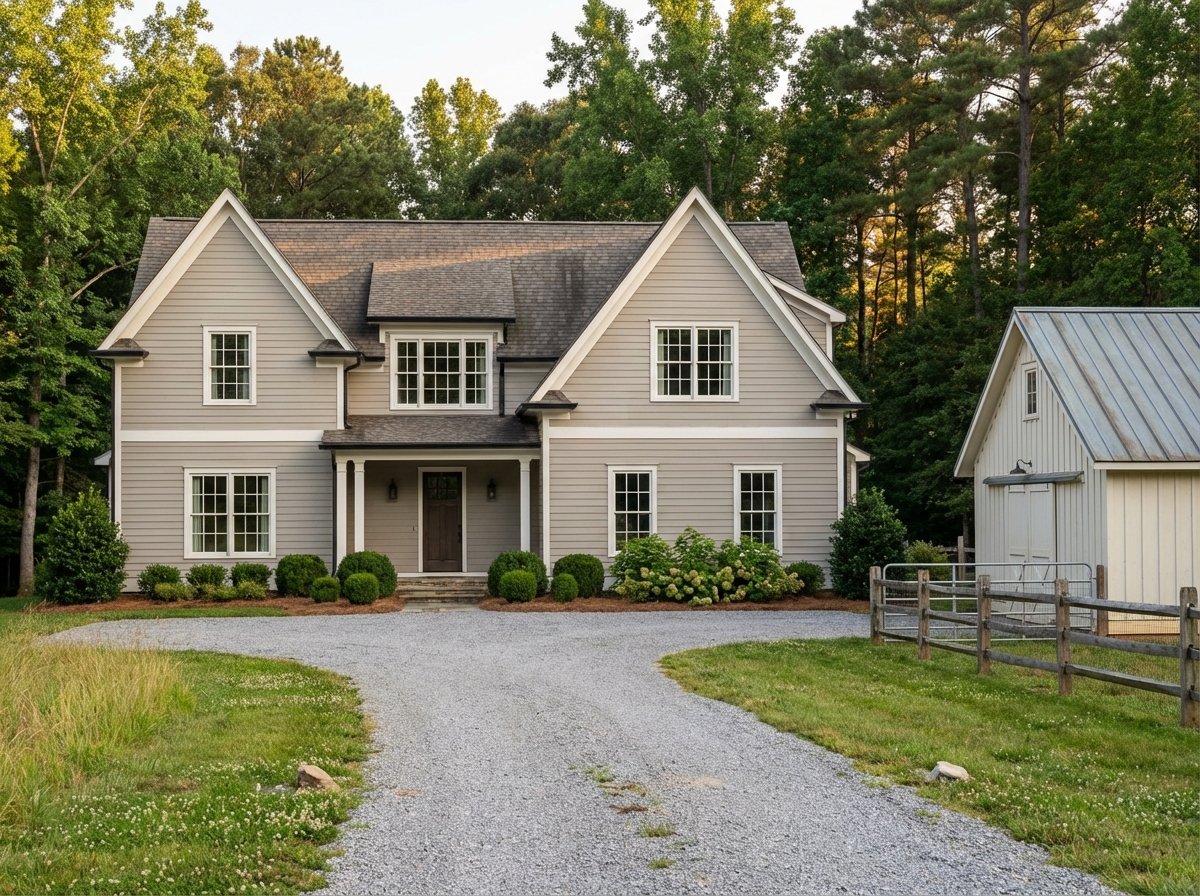
Thinking about selling a home with acreage in Dawsonville and not sure where to start? Marketing land plus a residence is different from marketing a typical house, and the right approach can unlock real value. You want clear guidance, buyer-focused messaging, and a plan that answers questions before they are asked. This guide gives you a Dawson County playbook, from pricing and permits to visuals, mapping, and buyer targeting. Let’s dive in.
Know your acreage buyer
Acreage buyers are not one-size-fits-all. In Dawsonville, interest often comes from lifestyle-minded buyers drawn to North Georgia recreation, including access to areas like Amicalola Falls State Park. Others are equestrian or hobby-farm buyers, investors seeking timber or long-term holds, and commuters who want privacy not far from major corridors.
Set expectations with real data. Zillow’s Dawson County market page shows a typical home value of about $447,625 and a median time to pending around 75 days. Acreage properties often have broader price ranges and longer timelines than standard homes. Listing aggregators like LandSearch’s Dawson snapshot show wide variation in per-acre asks and slower turnover for raw land. That is your cue to tailor your story and your pricing to the most likely buyer use.
Price with land-smart data
Pricing acreage starts with local comps, then adjusts for unique land and improvement features. Standard price-per-square-foot house comps are not enough.
- Pull MLS comps for homes with comparable acreage and similar improvements.
- Use active-market signals from land portals to understand buyer ranges by parcel size and features.
- Factor in time on market. Raw or minimally improved acreage often takes longer to sell, so plan a pricing strategy and timeline that reflects this reality.
Clear Dawson County due diligence
Getting your paperwork right early earns buyer trust and protects your price. It also shapes what you can promise in your listing copy.
Zoning, plats, stream buffers
Confirm zoning, recorded plats, and any erosion or stream buffer rules with Dawson County Community Development. County code references an undisturbed buffer from stream banks, and projects that disturb one acre or more may require an erosion and sedimentation-control plan. Know where buffers or limits sit so you market accurate usable acreage and building envelopes.
Septic and well documentation
For acreage, septic and well status can make or break a deal. Work with Dawson County Environmental Health to gather septic permits, repair histories, and inspection reports. If records are old, consider ordering a current septic inspection and a well flow test so buyers can move forward with confidence.
Parcel records and tax history
Pull your parcel file, boundary, and tax history from the Dawson County Board of Tax Assessors. These records help you verify acreage, easements, assessed values, and the legal description. They also provide the base map you will use for marketing overlays.
Floodplains and insurance factors
Check if any structures or building sites sit in a mapped flood zone using FEMA flood resources summarized here: FEMA flood mapping basics. If a home or potential building area falls in a Special Flood Hazard Area, buyers and lenders may ask for an Elevation Certificate.
Conservation easements and encumbrances
Before you mention future subdivision or development potential, confirm there are no recorded conservation easements or other title encumbrances limiting use. This is a common factor in North Georgia. Verify restrictions through county deed records and your closing attorney.
Highlight value-driving features
The right details can shift buyer perception and appraised value. Make these features clear and verifiable.
Access and driveway
State whether access is from a public road, a private drive, or an easement. If there is a private road or shared driveway, disclose any maintenance agreements. Dawson County may require a driveway permit for certain work, so refer buyers to Community Development for specifics.
Utilities and services
List electric service specifics and internet sources where known. For well and septic, share permit ages, any recent inspections, and test results if available. Buyers want to know if systems are current or due for upgrades, and Environmental Health is the go-to office for septic guidance.
Water features and views
Ponds, creeks, and springs are a major draw. Note location relative to any stream buffers or floodplains and document recreational or irrigation potential where appropriate. If long-range mountain views or privacy corridors are a highlight, lead with those visuals and explain how the homesite captures them.
Soils, slope, and building areas
If buyers might add a barn, arena, shop, or guest home, provide initial soil and slope context. Use the NRCS Web Soil Survey to produce a simple soils excerpt. Final septic and structural approvals still require on-site testing, but early mapping helps buyers see potential.
Outbuildings, barns, and fencing
Inventory all outbuildings with ages, materials, electrical and water availability. Equestrian and hobby-farm buyers value functional setups like cross-fencing, run-in sheds, wash racks, and arenas. Photos should show condition and layout.
Timber, crops, and leases
If there is merchantable timber or active agricultural income, disclose it. Income streams and recorded leases can affect buyer interest and financing, so clarity is key.
Create premium visuals and maps
Acreage marketing lives or dies by how well buyers can “read” the land.
Lead with stills, then drone
Start with strong still photos of the home, primary outbuildings, and signature views. Follow with aerials that show the full parcel, access points, and usable areas. Hire a commercial drone operator who is a Part 107 remote pilot and follows FAA rules for commercial UAS. If the parcel borders state lands or parks, confirm local flight restrictions before filming.
Include parcel and data overlays
Provide a simple map pack that answers common questions up front:
- A parcel boundary overlay sourced from the Dawson County tax assessor
- A topographic or slope excerpt for buildable area context
- An NRCS soil map excerpt from the Web Soil Survey
- A FEMA flood map snapshot or FIRMette using FEMA flood mapping basics
These materials reduce friction and support your price.
Target the right channels
Cast a wide net, but make it targeted.
MLS and land-focused portals
List in MLS using acreage-specific fields so buyers can filter accurately. Syndicate to land-focused sites that attract recreational, farm, and equestrian buyers. Use clear, buyer-type headlines, and reference marketplace norms informed by LandSearch’s Dawson snapshot.
Local and regional reach
Promote through North Georgia land and equestrian communities, and consider paid social targeting tied to Atlanta commuter suburbs. Connect the lifestyle story to Dawsonville draws like Lake Lanier, Amicalola Falls, and Atlanta Motorsports Park so out-of-area buyers quickly see the appeal.
Prepare a complete buyer packet
Buyers of acreage are detail oriented. Have a neat, download-ready packet available before the first showing.
- One-page “Acreage Fact Sheet” with exact acreage, legal description, fences and pasture count, outbuilding inventory, well and septic data, and utility notes
- Downloadable parcel map with boundary overlay, soil excerpt, and flood snapshot
- Short “future use possibilities” section with clear language about county approvals required for any changes
Pre-listing checklist
Work through these steps before you go live. They save time and protect price.
- Pull parcel and tax records from the Dawson County assessor and confirm legal description, acreage, easements, and plats. Coordinate with Community Development as needed.
- Gather septic and well records, and order a current septic inspection and well-flow test if records are outdated. Contact Environmental Health for guidance.
- Confirm a current boundary survey or boundary sketch. You will need it for accurate parcel overlays.
- Build your map pack: parcel overlay, soil map via the Web Soil Survey, and a flood map snapshot using FEMA resources.
- Handle easy fixes: smooth driveway potholes, repair gates and sagging fences, patch barn roofs, and mow lanes so aerials read cleanly.
- If subdivision, an accessory dwelling, or a new drive is part of your value story, confirm feasibility with Community Development before you advertise it.
- If you plan drone footage near parks or protected lands, verify permissions. Follow FAA Part 107 guidance.
- Assemble your Acreage Fact Sheet and share it with your agent to distribute through MLS and buyer channels.
Set timeline and financing expectations
Acreage listings often take longer to reach the right buyer than standard homes. Expect a measured campaign with fresh visuals, seasonal updates, and staged price reviews if engagement is slow. Signals from sites like LandSearch support planning for a longer runway in some price bands.
Financing is property specific. Many buyers will use conventional loans for a home with acreage, and some may qualify for USDA loans depending on the property and their income. Encourage interested buyers to verify eligibility using the USDA property and income tool and to secure a lender pre-approval early. If a significant portion of the value is raw land, prepare for more detailed underwriting.
Sample listing angles that convert
Use clear, use-case headlines and bullets so buyers immediately see themselves on the property.
Equestrian or hobby-farm buyer
- Headline: “Equestrian-ready homesite with fenced pasture and barn”
- Bullets: cross-fenced paddocks, run-in sheds, water at barn, room to add arena, soil and slope maps included
Recreational and privacy buyer
- Headline: “Private retreat with trails, creek, and long-range views”
- Bullets: mapped trail loop, year-round water feature, fire-pit overlook, drone video, FEMA and soils snapshots
Commuter lifestyle buyer
- Headline: “Move-in-ready mini-estate on x± acres with easy access”
- Bullets: paved frontage and maintained driveway, updated systems, high-speed service options noted, parcel overlay and boundary flags in place
Work with a team that sells lifestyle acreage
Selling a Dawsonville acreage property is about more than getting on the MLS. You need a thoughtful plan, strong visuals, clean documentation, and targeted distribution to the right buyers. As a boutique team backed by Coldwell Banker’s national reach, we pair white-glove service with modern marketing that showcases land the right way. Ready to talk timing, value, and a custom plan for your acreage property? Connect with Bondy Prestigious Properties to get started.
FAQs
What should I gather before listing a Dawsonville home with acreage?
- Pull parcel records, septic and well documents, any plats, and recent inspections. Prepare a parcel overlay, soils excerpt, and a flood map snapshot to answer early buyer questions.
How do Dawson County stream buffers affect my listing?
- County code references an undisturbed buffer from stream banks, and larger disturbances may require erosion-control plans. Confirm exact limits with Community Development before claiming usable acreage.
Do I need a new septic inspection to sell a home with acreage?
- Buyers often request it. If records are dated or unknown, a current septic evaluation and well flow test can remove hurdles and support your price.
Can I advertise my property as subdividable in Dawsonville?
- Only after you verify zoning, minimum lot sizes, and recorded plats or approvals with Dawson County Community Development. Do not promise subdivision potential without written confirmation.
What drone rules apply when filming my acreage listing?
- Use a Part 107 certified operator who follows FAA rules, stays within local restrictions, and confirms permissions if near parks or protected lands.
What financing options do buyers use for homes with acreage?
- Many use conventional loans, and some may qualify for USDA programs depending on location and income. Buyers should check eligibility with USDA and obtain pre-approval early.