Dreaming about weekends on the water? Buying your first lake home in Gainesville can be exciting, but it also comes with details that do not show up in a typical home search. If you want to enjoy Lake Lanier with fewer surprises, it helps to understand how docks, shoreline use, flood zones, and property records work before you make an offer. Let’s dive in.
Why Gainesville lake homes are different
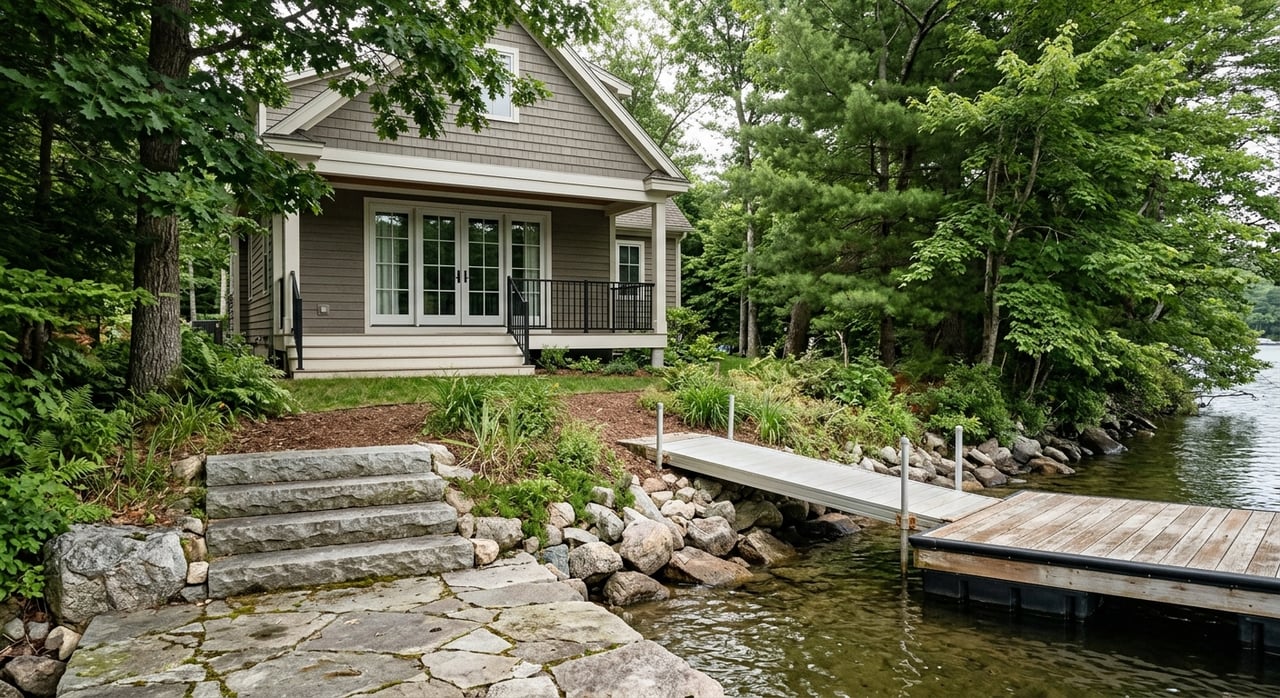
Lake homes in Gainesville are closely tied to Lake Sidney Lanier, a reservoir managed for flood protection, power production, water supply, navigation, recreation, and fish and wildlife management. According to the City of Gainesville’s Lake Lanier overview, that means buying near the water here is different from buying on a private pond or a standard neighborhood lot.
For you as a first-time lake-home buyer, that difference matters right away. The home, the lot, the shoreline, and the dock may each involve separate rules, documents, and approvals. A beautiful waterfront setting can absolutely be worth it, but you want to know exactly what you are buying.
Understand Lake Lanier’s busy setting
Lake Lanier is not a quiet, lightly used body of water. The City of Gainesville says the lake attracts millions of visitors each year, and Hall County describes it as the most visited U.S. Army Corps of Engineers lake in the country, with an estimated 10 million visitors annually.
That activity shapes the lake-home experience. In many parts of Gainesville and Hall County, weekends and summer months can bring more boat traffic, more public recreation, and a busier shoreline atmosphere than first-time buyers expect. If your ideal lake lifestyle includes privacy and calm, this is something to pay attention to during showings.
The public access network around the lake is another reason to look closely at location. Gainesville’s Upper Lanier Water Trail and city lake parks show just how much access exists around the shoreline. A home may feel peaceful on a weekday morning and very different on a sunny Saturday afternoon.
Verify lakefront, lake access, or lake view
One of the biggest mistakes first-time buyers make is assuming all water-related listings mean the same thing. In Gainesville, there is a real difference between a property that is truly lakefront, one that has lake access, and one that simply has a lake view.
That is especially important on Lake Lanier because the U.S. Army Corps of Engineers shoreline permit program makes clear that shoreline use rights are separate from real estate ownership. The Corps states that shoreline permits do not create real estate rights and do not grant exclusive use of government property.
In practical terms, you should not rely on listing language alone. The deed, survey, plat, and any shoreline or dock paperwork should all be reviewed together so you can confirm what is actually included with the property.
Know that dock rights are separate
If the home has a dock, do not assume the dock automatically transfers just because the house does. This is one of the most important parts of buying your first lake home in Gainesville.
The Corps says shoreline use permits and licenses are nontransferable, last up to five years, and require a formal process for a new owner. Their change-of-owner requirements call for documents such as a recorded deed, the current recorded survey or plat, a dock drawing, a site drawing, and electrical certification if applicable.
That means you should ask for these records early, ideally before or during the offer stage. If the paperwork is incomplete or outdated, your timeline after closing may be more complicated than expected.
Expect a permit timeline
Dock transfer is not instant. The Corps says permit processing can take about 6 to 8 weeks after a completed package is received, and permit availability may be limited in some cases.
For you, this means a home with an existing dock may still involve an administrative wait before the new ownership is fully recognized. If dock access is a major part of why you want the property, this should be part of your planning from day one.
Do not assume you can change the shoreline
Many first-time buyers picture adding improvements right away, such as clearing brush, changing the shoreline, or updating an existing structure near the water. On Lake Lanier, that work often requires approval before anything begins.
The Corps states that modifications to existing facilities need prior approval, and certain actions on public property are prohibited without authorization. That includes some vegetation clearing and placement of items like sheds or trailers on public property. Before you budget for updates, verify what is allowed.
Review flood-zone risk early
Flood-zone research should be near the top of your due diligence list. Lake proximity can affect insurance costs, loan requirements, and long-term maintenance decisions.
FEMA says the Flood Map Service Center is the official public source for flood hazard information. Hall County also provides GIS tools with parcel and flood-zone layers, which can help you better understand a property before you move forward.
FEMA explains that high-risk flood areas carry at least a 1% annual chance of flooding, which adds up to roughly a one-in-four chance over a 30-year mortgage. For a first-time buyer, this is not a detail to leave until late in the transaction.
Check septic, sewer, and well details
Utility questions can be more important with lake properties than with a standard subdivision home. Some properties may be on sewer, while others may depend on septic systems or wells.
Hall County Environmental Health says septic-served properties in unincorporated Hall County require review before certain building permit applications can move forward. The county also handles well permits, which makes record-checking especially important if you are considering future updates, additions, or repairs.
If you are buying an older lake property, ask early whether the home is on septic or sewer and whether records are complete. Missing documents can create delays later if you want to renovate.
Pay attention to drainage and shoreline conditions
A lake lot has more moving parts than a typical backyard. Water runoff, grading, erosion, vegetation, and shoreline stabilization can all affect the property’s condition and your long-term costs.
Hall County’s Unified Development Code includes standards tied to erosion control, flood prevention, stormwater management, and stream buffers. Gainesville also notes that stormwater runoff is a major source of local waterway pollution, which makes site conditions more than just a cosmetic issue.
When you tour a property, look beyond the view. Ask questions about drainage patterns, signs of erosion, yard grading, and whether any shoreline work has been done with proper approval.
Questions to ask before touring
If you want to make your search more efficient, start with a short list of smart questions:
- Is the property truly lakefront, or is it lake access or lake view only?
- Is there an existing dock permit, and is it current?
- Are the deed, survey, plat, and dock drawings available for review?
- Is the property in a flood zone?
- Is the home on septic, sewer, or a well?
- Are there any known shoreline, drainage, or erosion concerns?
- How close is the home to public lake access, parks, or launch points?
These questions can help you compare properties more clearly and avoid falling in love with a view before confirming the facts behind it.
What first-time lake buyers should prioritize
Your first lake home does not need to be perfect. It does need to match how you plan to use it and what level of complexity you are comfortable managing.
Here are a few priorities worth keeping in mind:
- Clarity over assumptions: Verify dock, shoreline, and access rights in writing.
- Lifestyle fit: Visit at different times to understand traffic, noise, and activity.
- Insurance awareness: Check flood-zone status and likely insurance needs early.
- Property records: Confirm survey, septic, well, and permit documentation.
- Future plans: Make sure renovations or shoreline changes are realistic before you buy.
A lake home can offer a rewarding lifestyle, but the best first purchase is usually the one that balances beauty with manageable risk and clear documentation.
A smart approach to buying in Gainesville
Buying your first lake home in Gainesville is about more than finding a house with a great view. You are also evaluating shoreline use, public access patterns, flood risk, utility systems, and the paperwork that supports the property.
With the right guidance, you can sort through those moving parts with confidence. If you are exploring Lake Lanier homes in Gainesville and want experienced, detail-focused support, Bondy Prestigious Properties can help you navigate the process and make a more informed decision.
FAQs
What makes buying a first lake home in Gainesville different from buying a regular home?
- Lake homes in Gainesville are tied to Lake Sidney Lanier, a managed reservoir where shoreline use, dock rights, flood zones, and public access can all affect the property differently than a typical residential home.
What should you verify about a dock when buying a Gainesville lake home?
- You should verify whether a current dock permit exists, whether the paperwork is complete, and whether the Corps change-of-owner process will be required after closing.
How do flood zones affect a Lake Lanier home purchase in Gainesville?
- Flood-zone status can affect insurance costs, lender requirements, maintenance planning, and your overall budget, so it should be checked early through FEMA and local GIS resources.
Why do septic and well records matter for Gainesville lake homes?
- Septic and well records matter because incomplete documentation can slow future permits, renovations, or repairs, especially for properties in unincorporated Hall County.
How can you tell if a Gainesville property is truly lakefront?
- You can tell by reviewing the deed, survey, plat, and any shoreline or dock documents together instead of relying only on marketing language in the listing.
When should you start reviewing lake-home documents in Gainesville?
- You should start as early as possible, ideally before or during the offer stage, so you can identify permit issues, missing records, or use limitations before closing.