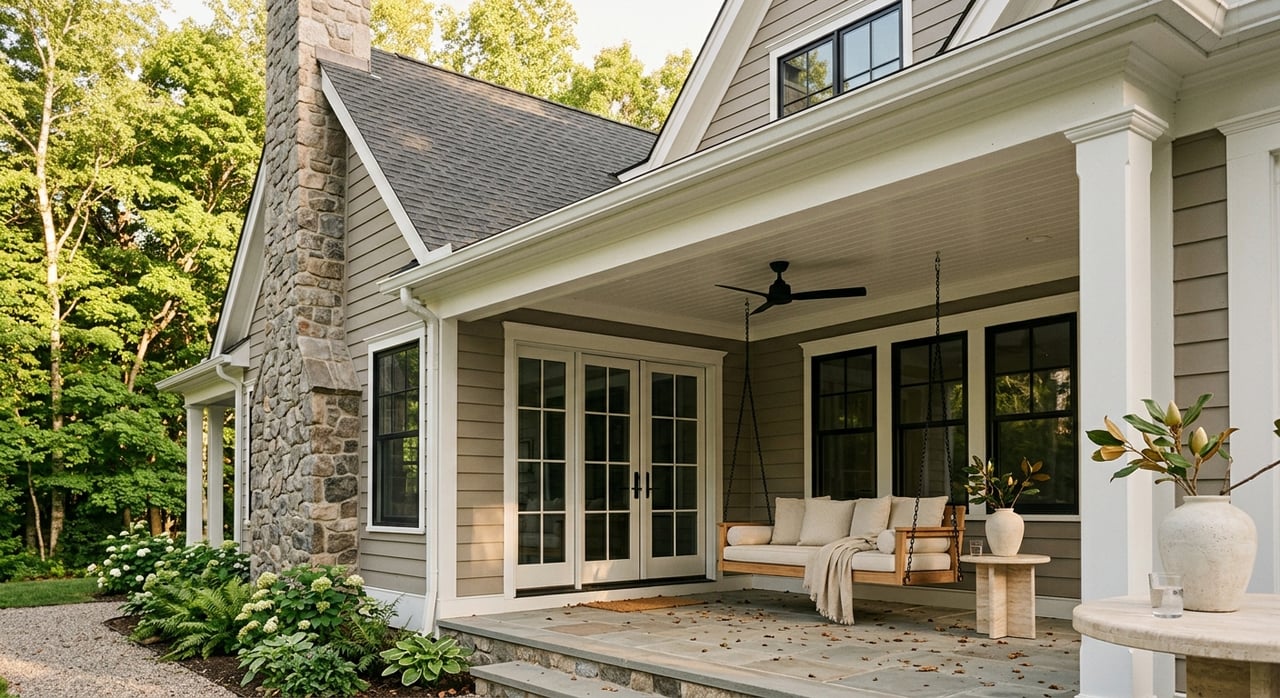
A second home in North Georgia can sound simple at first: pick the prettiest view, make the drive from Atlanta, and enjoy your weekends. In reality, the best purchase usually comes down to how you want to spend your time, how often you will use the home, and what kind of upkeep you are willing to manage from a distance. If you are weighing lake living, a mountain cabin, or a home with more land, this guide will help you match the lifestyle to the right area and the right level of ownership responsibility. Let’s dive in.
Why North Georgia appeals to Atlanta professionals
North Georgia fits naturally as a second-home option for Atlanta-area buyers because many of its best-known destinations are positioned as easy weekend escapes. Lake Lanier is about 60 miles north of Atlanta, Dahlonega is about an hour away, and Clayton is roughly two hours north. That makes it possible to leave the city and settle into a very different setting without needing a full vacation plan.
The bigger reason buyers look north is variety. You can choose a lakefront property close to marinas and boating, a mountain cabin near trails and scenery, or a home with acreage that offers more privacy and space. Each option can work well, but each comes with a different ownership experience.
Choose the right second-home lifestyle
A smart second-home purchase is not just about scenery. It is a location-and-operations decision. The right fit depends on distance from Atlanta, how you plan to use the home, and what systems or maintenance items come with the property.
Lake Lanier for quick weekend access
If you want the shortest drive and a property built around time on the water, Lake Lanier is often the clearest fit. It is Georgia’s largest lake, and the U.S. Army Corps of Engineers says it includes more than 690 miles of shoreline, 76 recreation areas, 10 marinas, and more than 100 islands. For many Atlanta professionals, that mix of convenience and recreation is hard to beat.
Lake ownership here is about more than the house itself. Because shoreline use is managed, items like dock permits, riprap, and certain shoreline work can affect how you use the property. If you are comparing lake homes, it is important to evaluate the rights and restrictions tied to the shoreline just as carefully as the floor plan.
Mountain towns for cabin living
If your ideal getaway means cooler air, wooded views, and a slower pace, North Georgia’s mountain towns may be a better fit. Dahlonega is known as a mountain getaway with wine country and year-round events. Blue Ridge is tied to 106,000 acres of Chattahoochee National Forest, 300 miles of hiking trails, and 100 miles of trout streams.
Ellijay, Blairsville, and Clayton each offer a different version of mountain living. Ellijay is known for outdoor recreation and has a large cabin market, with Explore Georgia estimating roughly 2,000 rental cabins in the area. Blairsville-Union County is described as uncrowded and picturesque, while Clayton serves as a gateway to Black Rock Mountain State Park and Lake Burton.
For buyers, the main draw is often privacy, views, and year-round outdoor access. The tradeoff is that mountain homes can come with more terrain-related considerations and more reliance on private systems. That makes due diligence especially important before you commit.
Acreage for space and privacy
If you want room to spread out, a quieter routine, or a property that feels more removed from the pace of metro Atlanta, acreage may be the best match. These homes appeal to buyers who value land as much as the home itself. They can also offer a different kind of second-home experience, with less focus on tourism and more focus on personal retreat.
With acreage, the biggest questions are often practical. Many rural properties rely on private wells and septic systems, and those systems come with owner responsibility. That does not make them a bad choice, but it does mean you should go in with clear expectations.
What to budget beyond the mortgage
Second-home buyers often focus first on price and monthly payment. That is important, but your real carrying cost usually includes several property-specific items that can change the ownership picture. Looking at the full budget early can help you buy with more confidence.
The Consumer Financial Protection Bureau recommends comparing at least three mortgage offers and choosing a payment that feels comfortably affordable, not simply the amount a lender approves. That advice matters even more with a second home, where you may also be covering your primary residence and added travel or upkeep costs.
Here are some of the most common extra costs to plan for:
- Property taxes without a primary-residence homestead benefit
- Flood insurance review for lakefront or creek-adjacent homes
- Septic inspection and pumping on many mountain or acreage properties
- Well testing and any water treatment that results may support
- Dock or shoreline permit considerations for Lake Lanier homes
- Routine maintenance tied to terrain, access, and seasonal use
Property taxes on second homes
In Georgia, the homestead exemption applies only when the owner occupies the property as a primary or legal residence. State guidance also says you cannot claim a homestead exemption on another property. In practical terms, that means your second home will usually carry the full local property tax bill rather than the reduced version tied to a primary residence.
Flood review matters near water
If you are buying on the lake or near a creek, flood exposure should be part of your review before closing. FEMA says the official place to verify flood-hazard information is the Flood Map Service Center. Even when a property is appealing for its setting, the water relationship can affect insurance needs and long-term cost.
Septic and well costs are part of ownership
For rural and mountain properties, wells and septic systems deserve special attention. The University of Georgia Extension notes that private-well owners are responsible for water quality and safety because private wells are not monitored the same way public water supplies are. That means testing should be part of your ongoing ownership budget.
EPA says septic owners are responsible for operation and maintenance, and it notes that routine care is far less expensive than replacing a failed system. Septic systems should generally be inspected every 1 to 3 years and pumped every 3 to 5 years. EPA estimates routine maintenance at about $250 to $500 every 3 to 5 years, compared with roughly $5,000 to $15,000 for a conventional replacement.
Understand second-home financing early
How you plan to use the property can affect financing. Fannie Mae says a second home must be occupied by the borrower for some portion of the year, suitable for year-round occupancy, under the borrower’s exclusive control, and not be a rental property or timeshare arrangement. That definition matters if you are thinking about mixing personal use with rental plans.
If you expect frequent short-term rental use, it is wise to discuss your intended occupancy strategy with a lender early in the process. A home you occasionally rent may not be viewed the same way as a home you primarily hold for personal use. Clarity at the start can help you avoid financing surprises later.
Focus due diligence on the right issues
The most important questions will depend on the type of property you buy. A lake home, cabin, and acreage property each come with different systems, risks, and maintenance patterns. Matching your due diligence to the property type can save time and reduce unpleasant surprises after closing.
Lake homes need shoreline review
For a Lake Lanier property, ask detailed questions about dock rights and shoreline permissions. Because the U.S. Army Corps of Engineers manages shoreline use, features that look straightforward during a showing may involve permits or limitations. Your review should include not only what exists today, but also what is allowed.
Mountain cabins need terrain awareness
For mountain properties, access, slope, and utility setup matter. A cabin may offer privacy and views, but the lot itself can influence maintenance demands and long-term convenience. This is one reason mountain buyers benefit from looking beyond finishes and focusing on how the property will function in regular use.
Acreage homes need systems review
For acreage properties, wells and septic systems are central to the ownership experience. You are not simply buying more land. You are often taking on more responsibility for water quality, wastewater systems, and routine upkeep. A property can still be an excellent fit, but it should be evaluated with that reality in mind.
Build a local support network
Managing a second home from Atlanta is easier when you do not try to handle every detail yourself. The CFPB recommends building a network of advisors and getting second or third opinions during major housing decisions. That approach fits second-home buying especially well.
Your support team may include a lender, tax professional, insurance agent, and local service providers who understand the area where you are buying. The right network can help you move from browsing to ownership with fewer unknowns. It also gives you practical help once you have the home and need reliable local support.
Match the home to real-life use
The best North Georgia second home is the one you will actually use and enjoy. If you want easy lake weekends and faster access from Atlanta, Lake Lanier may be the strongest fit. If you want trails, privacy, and a cabin feel, the mountain towns may suit you better. If you want land and a quieter rhythm, acreage can be the right choice.
What matters most is being honest about your routine. The more closely your distance, lifestyle goals, and maintenance tolerance line up, the more likely your second home will feel like a smart long-term decision instead of a complicated extra property.
If you are considering a North Georgia second home and want guidance that is tailored to your goals, Bondy Prestigious Properties can help you compare locations, evaluate property types, and move forward with clarity.
FAQs
What is the best North Georgia area for Atlanta second-home buyers?
- The best area depends on your goals. Lake Lanier often fits buyers who want the shortest drive and boating access, while Dahlonega, Blue Ridge, Ellijay, Blairsville, and Clayton appeal to buyers looking for mountain scenery, cabins, trails, or more privacy.
What extra costs come with a North Georgia second home?
- Beyond the mortgage, you may need to budget for full property taxes without a homestead exemption, flood insurance review, septic inspection and pumping, well testing, water treatment, and dock or shoreline permit issues depending on the property.
Can a part-time rental still qualify as a second home?
- Fannie Mae says a second home must be occupied by the borrower for part of the year, be suitable for year-round use, remain under the borrower’s exclusive control, and not be a rental property or timeshare arrangement, so you should confirm your plan with a lender early.
What should buyers check before buying a Lake Lanier home?
- Buyers should review dock rights, shoreline permissions, flood exposure, and any permits tied to shoreline use because those issues can affect how you use and maintain the property.
What should buyers know about wells and septic systems in North Georgia?
- Private-well owners are responsible for water quality and safety, and septic owners are responsible for operation and maintenance, so testing, inspections, and routine pumping should be part of your due diligence and long-term budget.
Who should I line up before closing on a North Georgia second home?
- A strong team may include a real estate advisor, lender, tax professional, insurance agent, and local service providers who understand the area and the property type you are considering.