Looking at homes in the $800K to $1.3M range in Cumming and wondering if you’ll need a jumbo loan? You’re not alone. The rules feel different at this price point, and small choices around down payment, reserves, and timing can change your approval path. In this guide, you’ll learn how jumbo loans work in Forsyth County, what lenders expect, how to plan your timeline, and the questions that help you lock in a smooth closing. Let’s dive in.
What is a jumbo loan?
A jumbo mortgage is any loan amount above the conforming loan limit set by the Federal Housing Finance Agency. These loans are not eligible for purchase by Fannie Mae or Freddie Mac, so lenders use their own underwriting and pricing.
As a reference point, the baseline one‑unit conforming loan limit in 2024 was $766,550. If your loan amount is higher than the applicable conforming limit for the year you buy, lenders will treat it as jumbo. Because jumbo programs are lender specific, guidelines and pricing vary.
Why it matters in Cumming
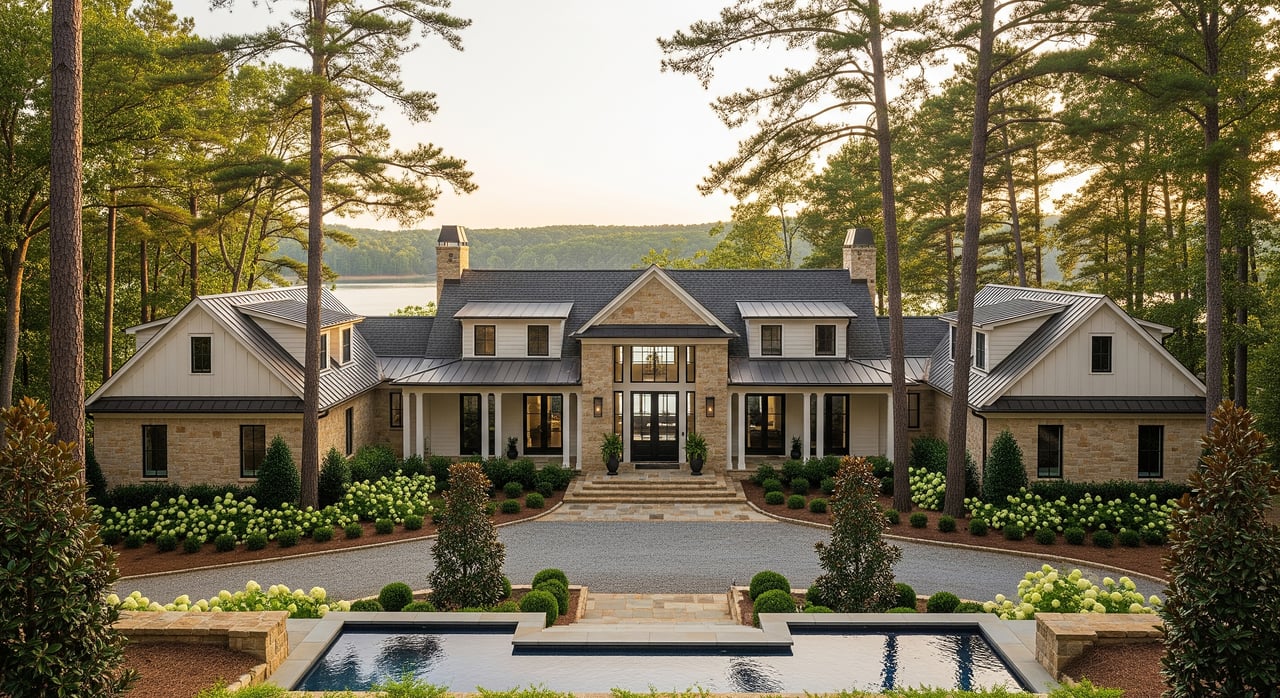
In Forsyth County, many newer subdivisions, lakefront properties on Lake Lanier, and custom homes often list in the $800K to $1.3M range. That can put you into jumbo territory depending on your down payment. Commuting access along GA‑400, newer construction, community amenities, and area schools are common drivers of demand.
A quick example makes the point:
- $900,000 purchase with 10% down equals a $810,000 loan. That is above the 2024 conforming limit, so it is likely jumbo.
- $900,000 purchase with 20% down equals a $720,000 loan. That is at or below the 2024 conforming limit, so it may fit a conforming program.
Your price, down payment, and loan size work together. The property price alone does not determine whether your loan is jumbo.
Jumbo vs. conforming: key differences
Jumbo loans and conforming loans share many steps, but there are important differences.
- Underwriting: Jumbos often require stronger profiles, lower allowable debt‑to‑income ratios, and more documentation. Some lenders use manual underwriting.
- Credit scores: Preferred pricing often starts in the mid‑700s. Some programs allow low 700s with tighter terms or more reserves.
- Down payment and LTV: Many jumbo programs cap at 80% loan‑to‑value, which is 20% down. Some portfolio lenders allow higher LTVs, often with higher pricing and stricter reserve rules.
- Reserves: Expect 6 to 12 months of reserves measured as principal, interest, taxes, and insurance.
- Rates: Jumbo rates can be slightly higher or similar to conforming depending on market conditions and lender appetite.
Credit, down payment, and DTI
Jumbo lenders put extra weight on the basics.
- Credit: Aim for mid‑700s for the most favorable pricing. Lower approved scores often require higher rates, larger down payments, or more reserves.
- Down payment: Plan for 20% down on many programs, especially at $1M and above. Some lenders offer options with 10 to 15% down for very strong profiles.
- Debt‑to‑income ratio: Many lenders prefer a DTI at or below 43 to 45%. Some will allow higher with strong compensating factors like large liquid assets.
Reserves and asset seasoning
Reserves are funds you will still have after closing. For jumbos, lenders commonly require 6 to 12 months of PITI in liquid or documented investment accounts. Larger requirements can apply to second homes, investment properties, or more complex files.
Expect to document where your funds come from and how long they have been in your accounts. If you receive a gift, you will need a gift letter and donor documentation. Large deposits will need paper trails.
Rates and pricing
Because jumbo loans are not backed by government‑sponsored enterprises, pricing varies more by lender. In some markets, jumbo rates are slightly higher than conforming. In others, they are similar. Your loan size, credit, LTV, property type, and reserves all influence the final rate. It pays to compare quotes.
Property and appraisals in Forsyth
Appraisals can be a longer path for lakefront, custom, or otherwise unique properties that are common in and around Lake Lanier. Lenders often require a full interior and exterior appraisal, and sometimes a second valuation or review. Choosing a lender and appraiser familiar with Forsyth County inventory reduces rework risk and helps timelines.
For condos, expect a closer review of the homeowners association. Jumbo lenders often have specific criteria for owner‑occupancy ratios, HOA budgets and reserves, and insurance coverage.
Timeline: from pre‑approval to close
Plan your timeline with a little extra buffer for a jumbo.
- Pre‑approval: 24 to 72 hours, assuming you have documents ready.
- Processing and underwriting: 30 to 45 days from contract to clear‑to‑close. Complex files can take 45 to 60 days.
- Closing: Once clear‑to‑close is issued, schedule signing and funding in about 3 to 7 days.
Ask about rate lock options early. Longer locks cost more. Align your lock period with appraisal timing and expected underwriting milestones.
Documents to prepare
Getting organized early helps you move quickly on the right property.
- Government‑issued ID
- Last 2 years of federal tax returns
- W‑2s for the last 2 years
- Recent 30‑day pay stubs
- 2 to 3 months of bank statements for accounts used for down payment and reserves
- Statements for retirement and other liquid investments
- Asset liquidation documents if you are selling investments or another property
- For self‑employed buyers: 2 years of personal and business tax returns, profit and loss statements, balance sheet if requested, 1099s, and a business license or CPA letter
- Explanations for large deposits, recent credit inquiries, or credit events
- Gift letter and donor statements if using gift funds
Questions to ask lenders
The right questions help you avoid surprises.
- Do you consider my loan amount a jumbo based on current FHFA limits?
- What credit score, DTI, LTV, and reserve requirements apply to my file?
- What is your average timeline from contract to close on jumbos, and do you underwrite in‑house?
- How do you handle appraisals in this neighborhood? Will you require a second appraisal for lakefront or custom homes?
- What rate lock durations do you offer, and how do float‑downs or extensions work?
- Do you have any Georgia‑specific or Forsyth County overlays for condos or waterfront properties?
Tips for self‑employed buyers
If your income comes from a business, expect full documentation. Provide two years of personal and business tax returns, and be ready to discuss add‑backs and one‑time income. Strong reserves, lower LTV, and consistent cash flow can help offset variability in income.
Condo and lakefront considerations
If you are pursuing a condo, ask your lender about project eligibility early. HOA financials, insurance, owner‑occupancy ratios, and delinquencies can affect loan approval. For lakefront and custom properties, request appraisers who regularly value similar homes in Forsyth County. This helps support an accurate opinion of value and keeps timelines on track.
Next steps in Cumming
Set yourself up for success by preparing before you write an offer.
- Pull your credit and address any errors.
- Gather income and asset documents and organize them in one place.
- Map out your down payment and reserve plan, including gift funds if applicable.
- Speak with multiple lenders, including local banks or credit unions and mortgage brokers who regularly close jumbo loans in Forsyth County.
- Confirm appraisal practices for Lake Lanier, custom, or condo properties you are considering.
- Work with a local real estate team that knows the $800K to $1.3M segment and can structure a clean offer with realistic financing and appraisal timelines.
When you are ready to tour homes or want help comparing jumbo options, connect with Bondy Prestigious Properties. Our team pairs boutique guidance with national reach to help you buy with confidence in Forsyth County.
FAQs
How do jumbo loans work in Forsyth County?
- A jumbo loan is any mortgage amount above the conforming limit. As of 2024, that baseline limit was $766,550, and loans above the applicable limit are underwritten to lender‑specific jumbo guidelines.
What down payment do I need on an $800K to $1.3M home?
- Many jumbo programs expect 20% down. Some lenders offer options with 10 to 15% down for well‑qualified buyers, often with stricter reserve and pricing rules.
Are jumbo mortgage rates higher than conforming rates?
- It depends on market conditions and your profile. Jumbo rates can be slightly higher or similar to conforming. Pricing varies by lender, loan size, credit, and LTV.
How long does a jumbo approval take in Cumming?
- Pre‑approval can be 24 to 72 hours with complete documents. From contract to close, plan for 30 to 45 days, and allow extra time for complex files or unique properties.
Can I use gift funds for a jumbo down payment?
- Some jumbo programs allow gift funds with detailed documentation. Lenders may still require a portion of the down payment and reserves from your own assets.
Are condos or Lake Lanier homes harder to finance with a jumbo?
- They can be. Lenders scrutinize condo projects and may require specialized appraisals for lakefront or custom homes, which can affect eligibility and timelines.