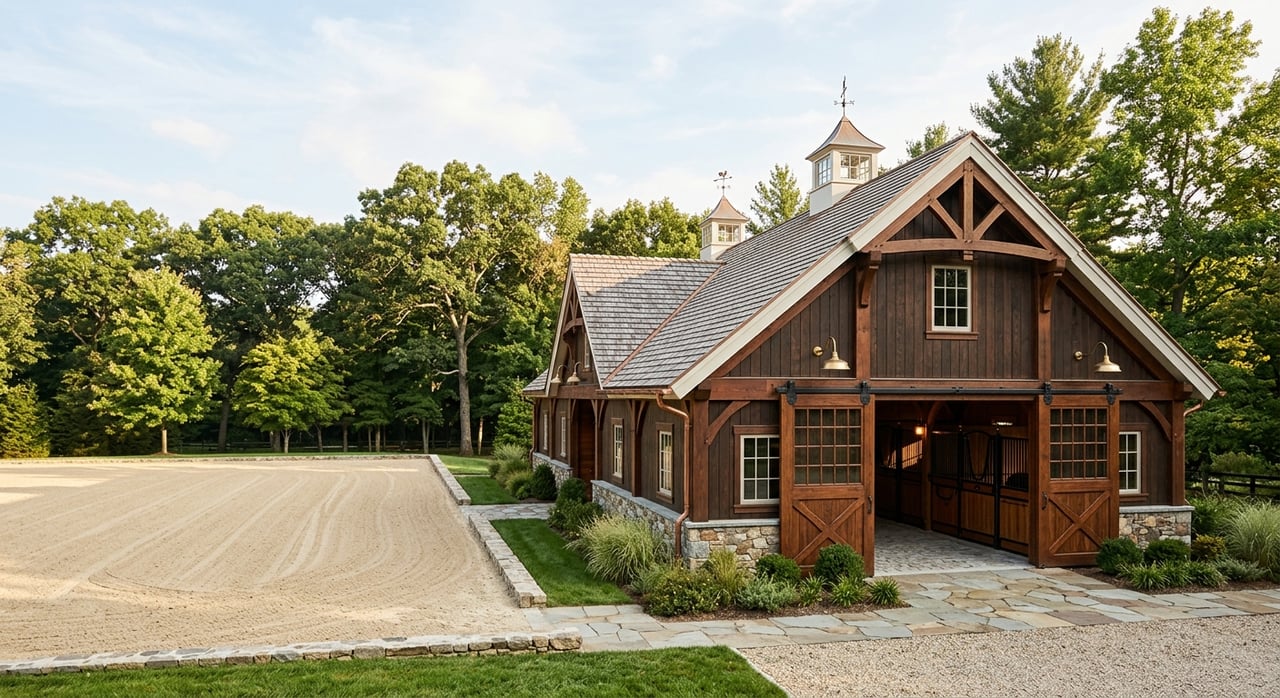
Dreaming about a horse property near Jasper? It is easy to fall for a pretty farmhouse, a red barn, and mountain views, but equestrian real estate is about much more than looks. If you want a property that truly works for your horses and your long-term plans, you need to look closely at land, zoning, access, and upkeep. This guide will help you understand what to watch for around Jasper so you can search with more confidence. Let’s dive in.
Why Jasper Appeals to Equestrian Buyers
Jasper and the surrounding parts of Pickens County offer a setting that naturally attracts buyers looking for acreage and a more rural lifestyle. Pickens County sits in the foothills of the Appalachian Mountains and covers about 233 square miles, with rural development areas described as large-lot, open-space settings with pastoral views.
That matters when you are shopping for horse property. In this area, you are often choosing between quieter rural parcels and properties closer to Jasper’s growth corridors along SR 515 and SR 53. Your best fit depends on whether you value seclusion, convenience, or a balance of both.
Equestrian ownership is also not a fringe lifestyle in Georgia. UGA Extension describes the state’s equine industry as healthy and growing, with more than 74,000 horses and an economic impact of more than $750 million. For buyers around Jasper, that supports the idea that horse properties here serve a real and active lifestyle market.
Start With the Land
A horse property is a working landscape, not just a house with extra acreage. Before you focus on finishes, porches, or views, make sure the land can support the way you plan to use it.
Check pasture quality
Pasture is one of the first things to evaluate. UGA notes that Georgia forage options for horses include bermudagrass, tall fescue, orchardgrass, timothy, and Kentucky bluegrass, with bermudagrass doing best on fertile, well-drained soils.
If the grass is sparse, muddy, or heavily worn down, that can point to ongoing management issues. UGA also recommends rotational grazing and cautions against overgrazing, so it helps to look for a layout that supports pasture rest and rotation.
Look at drainage and soil conditions
Drainage matters more than many buyers expect. Areas that stay wet can create muddy paddocks, stress pasture growth, and make daily horse care more difficult.
As you tour a property, pay attention to low spots, runoff patterns, and any signs of erosion. If a site needs major grading or drainage work, the cost can add up quickly after closing.
Watch for weeds and toxic plants
Pastures can look green and still hide a problem. UGA warns that toxic weeds and trees can be a hidden issue in horse pastures, which makes a careful review of the land especially important.
If you are unsure what is growing on a property, that is worth investigating early. Weed control and pasture cleanup can be manageable, but you want to understand the scope before you buy.
Evaluate Fencing, Gates, and Access
Good equestrian infrastructure should support safety, daily use, and equipment access. This is one area where small details can make a big difference.
Inspect fencing carefully
UGA says horse fencing should be safe, highly visible, durable, and well maintained. That means you should not just ask whether a property is fenced. You should ask what type of fencing is in place, how old it is, and whether it appears secure and usable.
A large property with worn or poorly maintained fencing may need a significant investment right away. Replacement costs can change the value of the deal more than buyers expect.
Make sure gates work for real use
Gates need to do more than open and close. UGA recommends sturdy gates that are wide enough for equipment access if tractors or trailers need to pass through.
As you tour a property, think through everyday movement. Can you get a trailer where it needs to go? Can maintenance equipment reach the pasture or barn easily? These practical questions matter as much as curb appeal.
Review the Barn and Working Areas
Barns and sheds can look charming in listing photos, but function should come first. A horse facility that is attractive but inefficient can become expensive and frustrating.
Prioritize ventilation and safety
Penn State Extension notes that poor ventilation is a common mistake in horse facilities. A barn should allow for healthy airflow rather than trapping heat, dust, and moisture.
Electrical safety matters too. Protected wiring helps reduce fire risk, so it is smart to look closely at the condition of the structure and ask questions about updates or repairs.
Think beyond the stalls
Stalls are only part of the picture. You will also want to consider feed storage, tack space, wash areas, turnout flow, manure handling, and how easily horses move between barn and pasture.
Even if the property is not a full-scale equestrian facility, a practical layout can make ownership much easier. In many cases, simple daily function matters more than extra square footage.
Understand Jasper and Pickens Zoning
One of the biggest mistakes buyers make is assuming horse use is the same everywhere. Around Jasper, the rules can differ depending on whether the property is inside Jasper city limits or in unincorporated Pickens County.
County and city rules are different
Pickens County code applies in unincorporated areas, while Jasper has its own zoning ordinance. That distinction matters because what works in one location may not work the same way in another.
In Pickens County, horse stables are listed as an accessory residential use, and the AG district is intended to preserve agriculture and forestry on large tracts. Inside Jasper, the city ordinance separately allows livestock for personal pleasure on tracts of 3.0 acres or more, with housing or feeding structures set back 50 feet from property lines.
Larger operations face added review
If you are considering more than personal horse use, review the rules even more closely. Pickens County defines livestock concentrated operations as including 50 horses or more and applies recognized best management practices, along with a 550-foot setback when those operations adjoin residential or certain other uses.
That kind of property is very different from a private residential setup. If your plans involve boarding, training, or a larger-scale operation, early review of zoning and land-use rules is essential.
Permits can affect improvements
The Pickens County planning office handles rezoning, special use permits, building permits, erosion and sediment control plans, and land disturbance permits. The county also notes that state approval is required before a local land disturbance permit is issued.
This can directly affect projects like barns, arenas, driveways, pasture clearing, and drainage improvements. If you are buying a property with plans to upgrade it, permit timing and site requirements should be part of your decision.
Think About Trail Access
Many buyers want trail riding nearby, but not every horse property includes direct riding access. Around Jasper, it helps to think regionally rather than assuming the land itself connects to a trail system.
The Forest Service says the Dry Creek Equestrian Trailhead offers 26 miles of hiking, biking, and horseback riding trails in northwest Georgia. The Pinhoti Trail in Georgia also offers more than 160 miles of horse-rider-accessible trail on most sections.
That means haul time matters. If trail riding is a big part of your lifestyle, compare properties not just by acreage and home features, but by how easily you can reach regional trail systems.
Plan for Financing and Appraisal Questions
Horse properties can finance differently than standard suburban homes. The more unique the property, the more important it is to think ahead.
Check rural loan eligibility by address
USDA Rural Development programs are income-based and require the property to be in an eligible rural area. USDA also says qualified buyers may be able to purchase or build with no money down.
That does not mean every Jasper-area equestrian property will qualify. You need to verify the specific address and your eligibility rather than assume a rural-looking property fits the program.
Business use can change the loan review
If the property includes boarding, training, or other business activity, financing may become more complex. Fannie Mae’s loan application instructions treat a property with both business and residential use as mixed-use.
That does not automatically make the property unfinanceable, but it can affect underwriting, comparable sales review, and lender interest. If your plans go beyond personal use, talk through that early in the process.
Unique properties can be harder to appraise
Appraisals can be a sticking point with equestrian properties because comparable sales may be limited. CFPB notes that valuations are estimates and can vary depending on the comparable sales used and the timing.
If a valuation comes in lower than expected, borrowers can ask the lender to reconsider it. This is one reason local market guidance matters when you are buying a niche property around Jasper.
Ask About Tax Treatment Early
Taxes are another area where acreage buyers should ask questions before they close. Depending on how the land is used, favorable assessment programs may apply.
The Georgia Department of Revenue says bona fide conservation-use property is assessed at 40 percent of its current-use value. Pickens County’s Tax Assessor also lists agricultural preferential and conservation-use exemptions among available programs.
Not every property or buyer situation will qualify, so it is smart to ask early whether the land’s current or intended use supports any favorable assessment. That conversation can help you better estimate long-term ownership costs.
Know the Ongoing Cost of Ownership
A horse property is rarely a passive purchase. Even a well-kept property will need regular attention to stay safe and functional.
Common ongoing needs include fence maintenance, pasture rotation, weed control, ventilation upkeep, safe wiring, and manure handling. These are not small details. They directly affect safety, usability, and long-term cost.
That is why the best equestrian purchase is not always the flashiest one. Often, the stronger investment is the property with practical land, safe infrastructure, and fewer hidden fixes.
A Smart Way to Search Around Jasper
If you are starting your search, it helps to narrow your priorities before touring properties. Think about how you will really use the property over the next few years, not just how it looks on day one.
A simple checklist can help:
- Decide whether you want Jasper city limits or unincorporated Pickens County
- Confirm how much land you need for your intended horse use
- Review pasture quality, drainage, and fencing before focusing on cosmetic updates
- Ask whether barns, arenas, or site work may need permits or additional review
- Compare drive time to Jasper, major roads, and regional trail systems
- Discuss financing early if the property has business use or unique improvements
- Ask about tax treatment and any current agricultural or conservation-use status
The right equestrian property should support your horses, your budget, and your long-term plans. With the right guidance, you can avoid expensive surprises and focus on properties that truly fit the way you want to live.
If you are exploring equestrian properties around Jasper or preparing to sell a horse property in North Georgia, Bondy Prestigious Properties can help you evaluate the land, lifestyle fit, and market position with a thoughtful, tailored approach.
FAQs
How much land do you need for a horse property in Jasper?
- Inside Jasper city limits, the ordinance states a 3-acre minimum for livestock kept for personal pleasure. In unincorporated Pickens County, land use depends on the zoning and the specific property, so buyers should verify the rules for each address.
Can you keep horses inside Jasper city limits?
- Yes, Jasper’s ordinance lists livestock for personal pleasure on tracts of 3.0 acres or more, and housing or feeding structures must be set back 50 feet from property lines.
Can a Jasper-area horse property be used for boarding or lessons?
- Possibly, but business use may create a mixed-use situation and can affect zoning review and financing. Buyers should confirm permitted use before closing.
Are there horse trails near Jasper, Georgia?
- Yes, regional options include the Dry Creek Equestrian Trailhead and many horse-rider-accessible sections of the Pinhoti Trail in Georgia. Buyers should compare haul time rather than assume direct trail access from the property.
What should you inspect first on an equestrian property around Jasper?
- Start with pasture condition, drainage, fencing, gate access, and barn function. Those items often have a bigger impact on usability and cost than cosmetic features in the home.
Can equestrian properties around Jasper qualify for special tax treatment?
- Some may qualify for agricultural preferential or conservation-use programs, depending on the land and its use. It is best to ask about current status and eligibility early in the buying process.